

GERD: A bad "Acid Trip"
- Jackie Gill

- Nov 5, 2023
- 3 min read
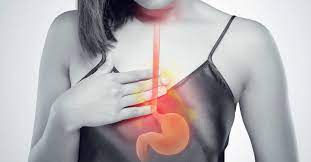
We must be mad as a society because many of us are taking a couple of good swigs of battery acid a day. And as you might expect, it’s not doing us much good!
Human stomach acid is only slightly different in acidity from battery acid – though batteries are sulphuric acid and stomach acid is hydrochloric acid – but from a pH point of view neither of them should be in your gastro-intestinal tract upwards from the stomach.
But if you’re one of the 30 per cent of people who are regularly popping antacids and sleeping sitting up you probably suffer from reflux, often known as GERD, (Gastroesophageal reflux disease). This is caused by stomach acid going upwards, into the throat, mouth and nose.
Stomach acid is only supposed to be able to travel one way: down. When acid from inside the stomach flows backward – meaning, up – you feel it. Acid irritates and inflames the tissues in your oesophagus which runs from your stomach up through your chest to your throat. It can run all the way up your gullet where it damages your throat, mouth tissues and teeth. It can even cause some nasty cancers.
Which is why, dear readers, that we must look after our stomach acid and make sure it’s not able to escape!
Acid is natural and normal in the stomach: it kills off any nasties that have reached the tummy and has a secondary role in the digestion process. It’s particularly important for denaturing proteins and helping in the absorption of calcium and iron.
Occasional acid reflux is uncomfortable but it’s not normal when it’s escaping and making its way past the barriers designed to stop it going upwards (called the Lower Oesophageal sphincter (LES)).
But some people have reflux all the time. Chronic acid reflux can really affect your quality of life, and it can also do real damage to your tissues. Symptoms include:
· Backwash: where acid, food or liquids ‘backwash’ into your throat after eating. This is called regurgitation.
· Burning. Acid literally burns the tissues of your oesophagus. If it feels like it’s in your chest it’s called ‘heartburn’; closer to the stomach it’s called ‘acid indigestion’.
· Noncardiac chest pain (oesophageal cramps): very painful and scary pain right in the centre of the chest which is often mistaken for a heart attack.
· Nausea: Acid overflow or backwash may make you feel queasy or make you lose your appetite. Although you may have eaten a while ago, it may feel like there’s still more food to digest.
· Sore Throat: If acid rises into your throat, it can make it sore. It might feel like there’s a lump in your throat, or like it’s hard to swallow. Reflux into your throat often happens at night when you’re lying down.
· Asthma-like symptoms: chronic coughing and shortness of breath, particularly at night time.
So what causes reflux and GERD?
Most GERD is caused by carrying too much weight, though pregnant women can get it. Smoking is a contributor. In many cases, a change of diet can make the GERD go away.
Some people have a hiatal hernia which is where the top of the stomach pushes up through a hole in the diaphragm where the oesophagus passes through. The clincher here, though, is that the hernia can be caused by GERD!
And if you are suffering, you want it to go away! The medical treatment for acid reflux is PPIs and thousands of people pop pills like Nexium every day. These Proton Pump Inhibitors slow down the production of stomach acid so it can’t cause reflux.
Only problem is that having healthy stomach acid is really important (as we’ve seen) as it plays an important role in calcium and iron absorption.
Several recent studies have shown that diet plays a huge role in controlling GERD, and that plant-predominant diets are particularly effective. A study of 50 patients with GERD demonstrated that at the end of a six week Low-fat, low-quick-release sugar, high-protein, alkaline, and plant-based diet three quarters of the patients reported significant relief from symptoms. For most of the participants, their symptoms improved for many months afterward. (See the study https://doi.org/10.1002/lary.29890 )
So if you want relief from reflux and GERD, stock up on fresh fruit and vegetables, add grains and legumes to your diet, leave the fatty meats in the supermarket and throw the ultra-processed foods in the bin (read the label on the back…if the ingredients aren’t ‘whole’ foods then don’t eat it).
So put down the antacids and start eating things that don’t even have a label! An apple doesn’t need an ingredients list!).
There’s a reason for not eating things full of preservatives, stabilisers, emulsifiers etc – these chemicals interfere with your microbiome which is responsible for making the molecules which look after your stomach and intestinal lining which further complicates the reflux.


Comments